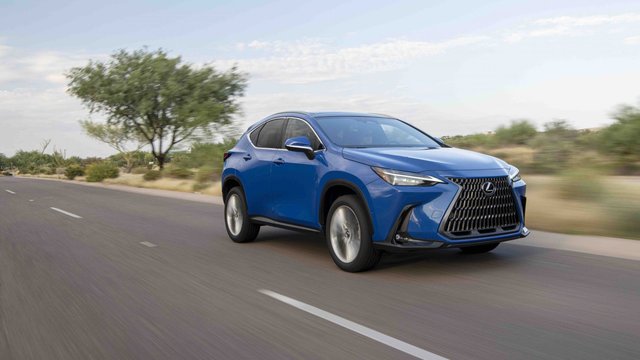
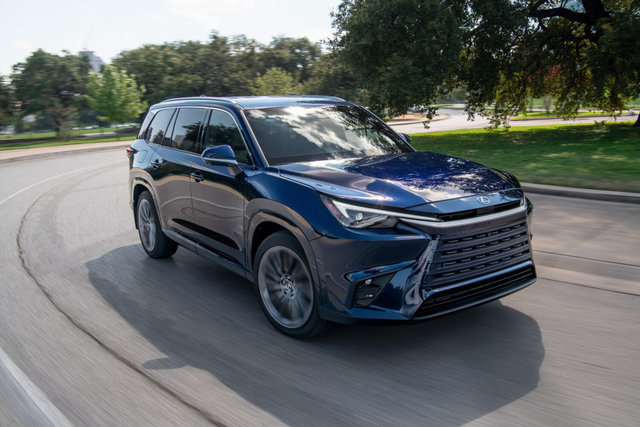
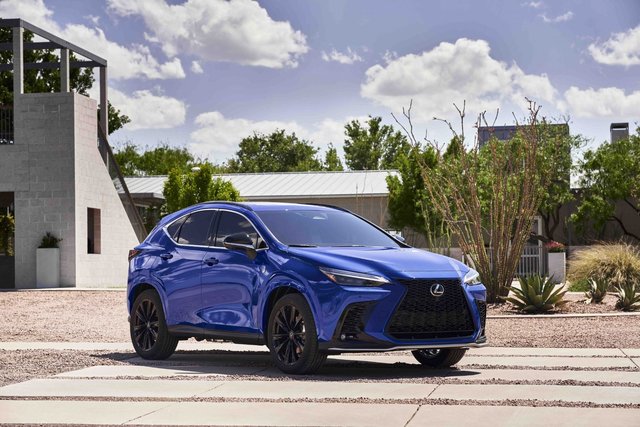
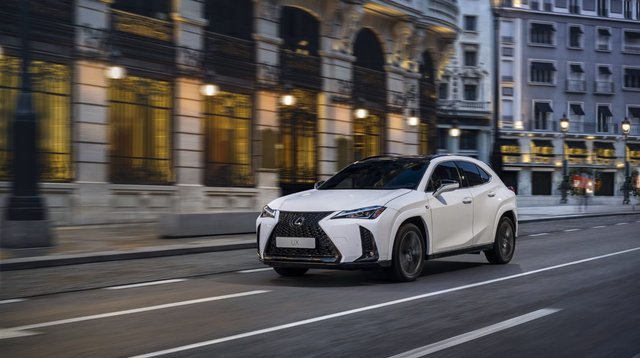
Ontario winters demand more than heated seats and all-wheel drive. From black ice on Highway 401 to sudden whiteouts in cottage country, drivers face conditions that test both vehicle capability and driver awareness. Lexus Safety System+ 3.0 addresses these challenges with integrated technologies designed to support confident winter driving across the province.
This advanced suite goes beyond basic collision warnings. It actively assists with vehicle stability, lane positioning, and emergency manoeuvres—precisely the scenarios that become critical when temperatures drop and road surfaces change without warning.
Pre-Collision System Adapts to Winter Visibility Challenges
Pre-Collision System with Pedestrian Detection uses both camera and millimetre-wave radar to monitor the road ahead. This dual-sensor approach proves valuable in winter conditions with rapidly fluctuating visibility. The radar component continues functioning when snow reduces camera effectiveness, maintaining forward collision detection even during heavy precipitation.
The system identifies vehicles, pedestrians, bicyclists, and motorcyclists under various circumstances. When it detects a potential collision, it provides audio and visual warnings. If the driver doesn't respond, automatic emergency braking engages to help reduce impact severity or avoid the collision entirely.
For Ontario drivers navigating stop-and-go traffic on the QEW during snowfall, or approaching intersections with pedestrians emerging from snow banks, this layered detection provides additional reaction time when road conditions reduce natural stopping ability.
Risk Avoidance Emergency Steer Assist Handles Sudden Obstacles
Winter driving frequently presents unexpected obstacles: a snow drift extending into your lane, debris hidden under fresh snow, or a vehicle sliding sideways ahead. Risk Avoidance Emergency Steer Assist provides additional steering torque during emergency manoeuvres initiated by the driver.
This system operates when Pre-Collision System is active, no turn signal is engaged, and vehicle speed falls between 40–80 km/h—precisely the speed range for many winter highway incidents. The relative speed to the detected object must also be between 40–80 km/h for the system to engage.
Rather than taking control, the technology enhances the driver's steering input, improving vehicle stability and helping prevent lane departure during the evasive manoeuvre. On highways between Toronto and Ottawa, with transport trucks creating walls of slush and sudden visibility drops, this assistance helps drivers maintain control when quick lane changes become necessary.
Lane Tracing Assist Maintains Position on Snow-Obscured Roads
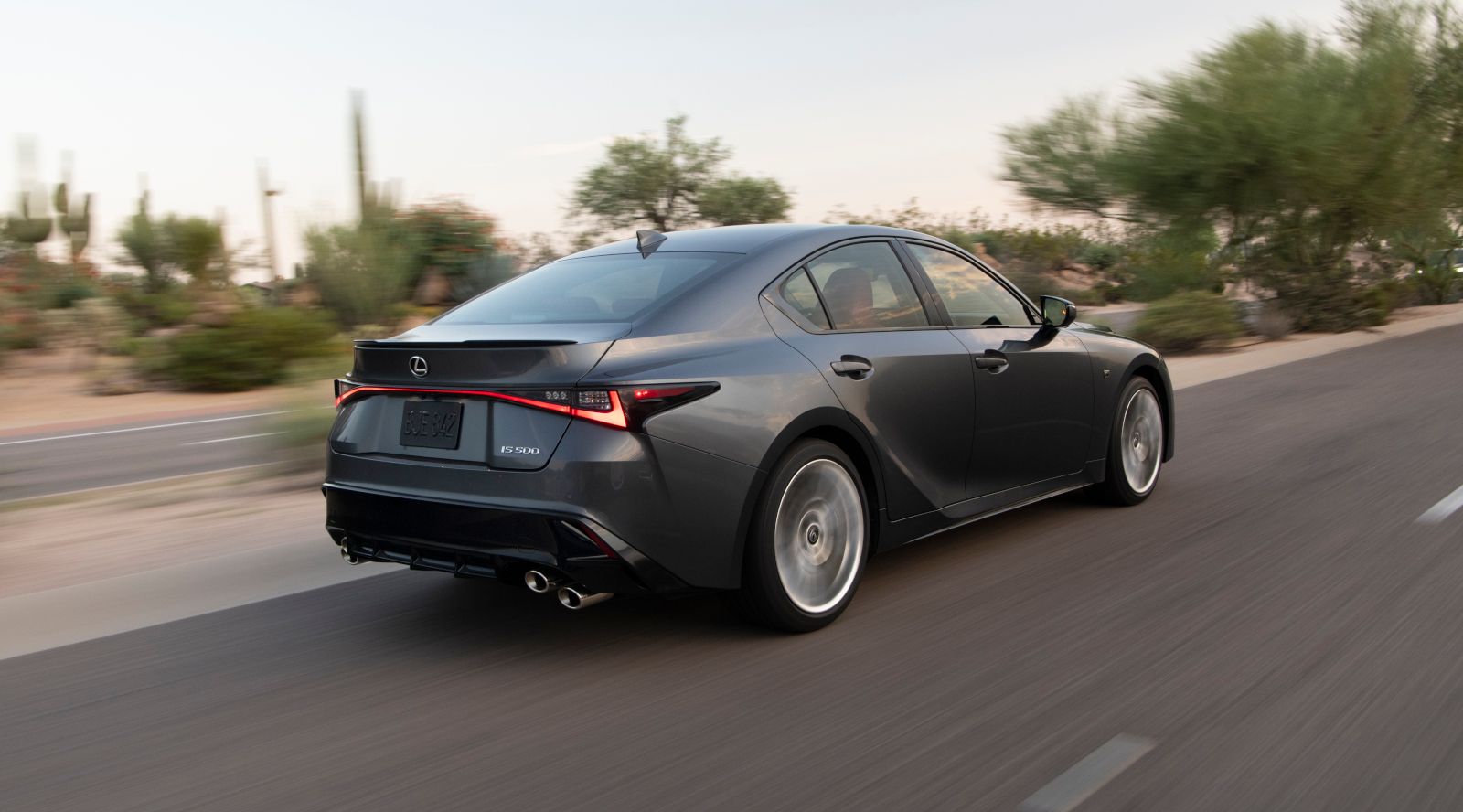
Lane Tracing Assist works with Full-Speed Dynamic Radar Cruise Control to help keep the vehicle centred in its lane. The system uses visible lane markings and preceding vehicles to provide active driving assistance—a dual-reference approach that proves valuable when winter conditions obscure road markings.
When lane markers disappear under snow or salt spray, Lane Tracing Assist can reference the vehicle ahead to maintain proper lane position. This reduces driver fatigue during long winter drives across Ontario, as maintaining constant steering corrections on snow-covered highways becomes mentally exhausting.
The system requires Dynamic Radar Cruise Control to be enabled and functions only when lane markers or a lead vehicle can be detected. It provides gentle steering inputs to keep the vehicle centred, but drivers must keep hands on the wheel at all times—the technology assists rather than replaces active steering.
Full-Speed Dynamic Radar Cruise Control Handles Stop-and-Go Winter Traffic
Full-Speed Dynamic Radar Cruise Control maintains a preset distance from the vehicle ahead, from highway speeds down to a complete stop. This capability addresses one of Ontario winter driving's most frustrating scenarios: congested traffic on major routes with vehicles repeatedly accelerating and braking.
The system uses radar and camera technology to monitor traffic ahead. When the road clears, it returns the vehicle to its preset speed. When traffic slows, it automatically reduces speed—even to a full stop if necessary. Once traffic begins moving again, the system resumes following the vehicle ahead at the preset distance.
For drivers commuting into Mississauga during morning snowfall, or navigating Highway 400 during a winter storm, this system reduces the constant brake-and-accelerate cycle that increases both driver fatigue and the risk of rear-end collisions on slippery surfaces.
Automatic High Beams Optimize Visibility Without Distracting Other Drivers
Winter darkness arrives early across Ontario, and rural highways between urban centres often lack consistent street lighting. Automatic High Beams toggle between high and low beams based on the vehicle's surroundings, maximizing forward visibility while preventing glare for oncoming drivers.
The system automatically switches to low beams when it detects approaching vehicles or vehicles ahead, then returns to high beams once the road clears. This continuous adjustment proves particularly valuable during long winter evening drives, as manually managing high beams while monitoring road conditions and watching for wildlife becomes another task competing for driver attention.
Combined with Lexus Safety System+ 3.0's other technologies, Automatic High Beams help ensure drivers can see potential hazards as early as possible—critical when stopping distances double or triple on ice-covered roads.
Integrated Protection for Ontario's Diverse Winter Conditions
Lexus Safety System+ 3.0 doesn't rely on a single technology to address winter driving challenges. Instead, it provides layered assistance that adapts to changing conditions: radar continues monitoring when snow reduces camera effectiveness, lane-centring references both markings and vehicles, and emergency steering assistance activates only when needed.
This integrated approach recognizes that Ontario winter driving presents constantly shifting scenarios. A clear morning commute can become a whiteout by afternoon. Highway 401 can transition from bare pavement to black ice within kilometres. Residential streets in Mississauga require different awareness than rural routes in eastern Ontario.
Lexus Safety System+ 3.0 supports drivers across these varied conditions, providing consistent assistance whether navigating downtown traffic during freezing rain or maintaining highway speeds through lake-effect snow.
Experience Lexus Safety System+ 3.0 at Erin Park Lexus
Winter driving in Ontario demands both capable vehicles and attentive drivers. Lexus Safety System+ 3.0 enhances that partnership, providing advanced assistance when conditions challenge even experienced drivers. Visit our team at Erin Park Lexus in Mississauga to experience how these integrated technologies support confident winter driving across the province.