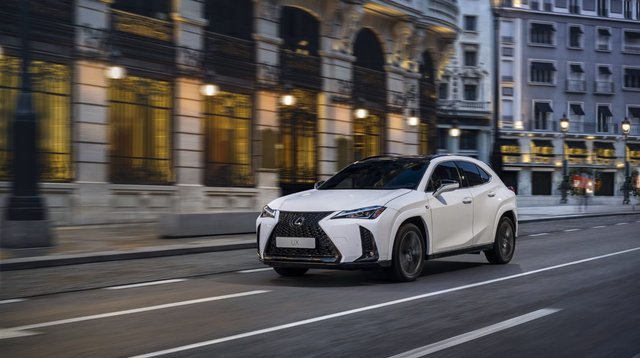
Cottage season in Ontario means boat launches, gravel driveways, and trailers loaded with gear. Before any of that starts, it helps to know exactly what the 2026 Lexus GX brings to the job and what to check before you leave the driveway.
This isn’t a spec dump. It’s a walkthrough of what actually matters when you’re backing a trailer down a boat ramp or easing over a rutted access road.
Why Towing And Trail Capability Matter Here
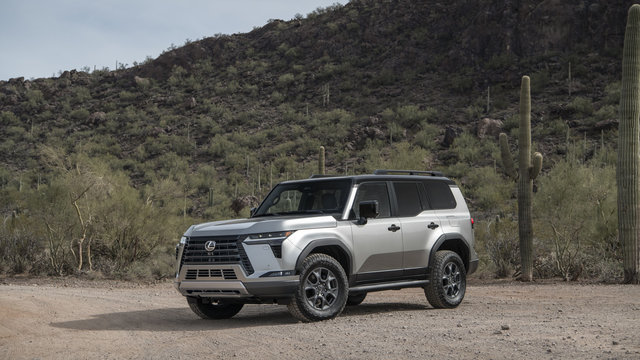
Ontario’s cottage roads rarely stay smooth. Between washboard gravel, steep driveway breaks, and the odd flooded launch, a vehicle needs real hardware behind the badge, not just marketing language. The GX is built on the Lexus GA-F platform, engineered for wheel articulation and stable tire contact on uneven surfaces while still handling highway stretches to get there.
That’s the core of this article: matching what the GX actually has under it to what a typical Ontario towing-and-trail weekend demands.
The Powertrain Behind The Towing Number
Every 2026 GX runs a 3.4L twin-turbo V6 producing 349 hp and 479 lb-ft of torque, paired with a 10-speed Direct Shift automatic transmission. Power runs through a full-time four-wheel-drive system that includes a Torsen limited-slip locking rear differential, which keeps torque going to the wheel with grip when one side loses traction on loose gravel or a wet launch ramp.
That setup supports a maximum towing rating of 9,063 lbs (4,111 kg), enough for most boats, utility trailers, and small camper trailers Ontario owners haul to the lake.
|
Spec
|
Figure
|
|
Engine
|
3.4L twin-turbo V6
|
|
Horsepower
|
349 hp
|
|
Torque
|
479 lb-ft
|
|
Max towing
|
9,063 lbs (4,111 kg)
|
|
Payload
|
1,367 lbs (620 kg)
|
|
Ground clearance
|
221 mm
|
Payload matters as much as towing. At 1,367 lbs (620 kg), the GX has to split that number between passengers, cargo, and tongue weight, so a full cabin plus a loaded trailer is worth thinking through before departure, not after.
Hardware Worth Confirming Before You Hitch Up
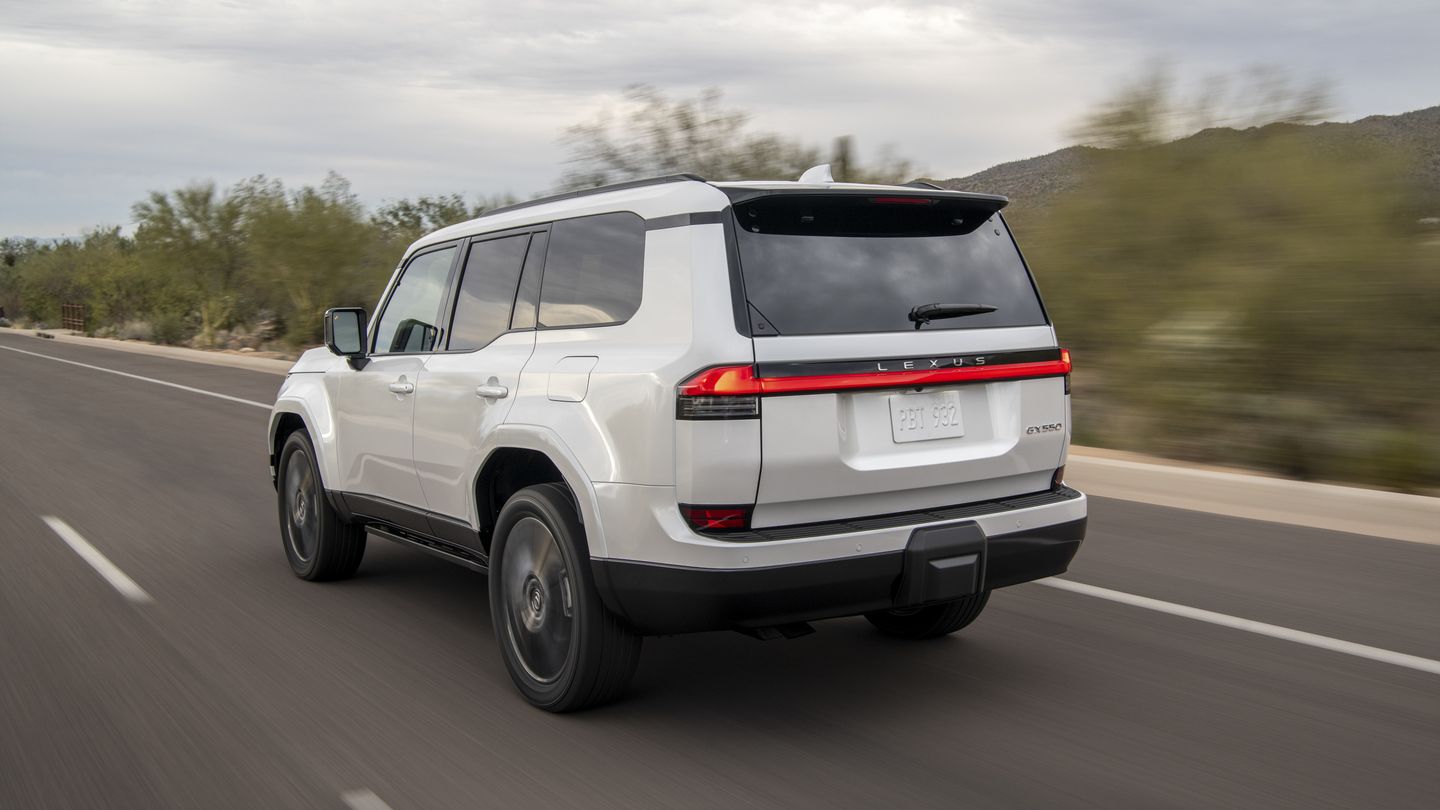
The GX lineup includes a tow hitch, trailer ball, trailer brake controller, and trailer sway control. Each piece does a specific job: the brake controller lets the trailer’s own brakes engage in sync with the GX’s, and sway control intervenes if a gust or a bump sets the trailer swinging. Confirming all four are connected and functioning before a trip is a five-minute check that prevents a bad afternoon on the highway.
On the Overtrail grade, that foundation goes further. It adds an off-road-tuned Adaptive Variable Suspension with five drive modes, the Electronic Kinetic Dynamic Suspension System, front and transmission skid plates, a locking rear differential, and 18-inch wheels wrapped in 33-inch all-terrain tires. Those tires matter on the mixed gravel-mud-rock surfaces that lead into most Ontario Crown land and cottage access roads, where a street-tuned all-season tire loses grip fast.
- Approach angle: 26 degrees
- Departure angle: 21 degrees
- Ground clearance: 221 mm
Those angles decide whether the GX clears a steep driveway lip or a washed-out trail dip without scraping the bumper or the rear fascia. On a rutted campsite entry, that’s the difference between driving in and walking the last stretch.
Reversing, Hitching, And Tight Access Points
Backing a trailer toward a dock or squeezing into a gravel campsite is where cameras earn their keep. The GX includes a backup camera with Back Guide Monitor and rear camera washer, plus a Panoramic View Monitor and Intuitive Parking Assist with automatic braking and rear pedestrian detection. The Overtrail and Overtrail+ grades add a Multi Terrain Monitor with underfloor view, which shows what’s directly beneath the front wheels, useful when you can’t see the trail surface from the driver’s seat.
All of this feeds into a 14-inch touchscreen and a 12.3-inch driver information display, so the camera angle you need is a glance away rather than buried in a menu.
Cargo, Passengers, And What Fits Where
Cargo space behind the third row sits at 292 L, enough for coolers and duffel bags but not much else once seven people are aboard. Folding the third row opens 1,138 L, and folding both rear rows opens 2,178 L, the number that matters for a multi-day trip where gear takes priority over rear-seat passengers.
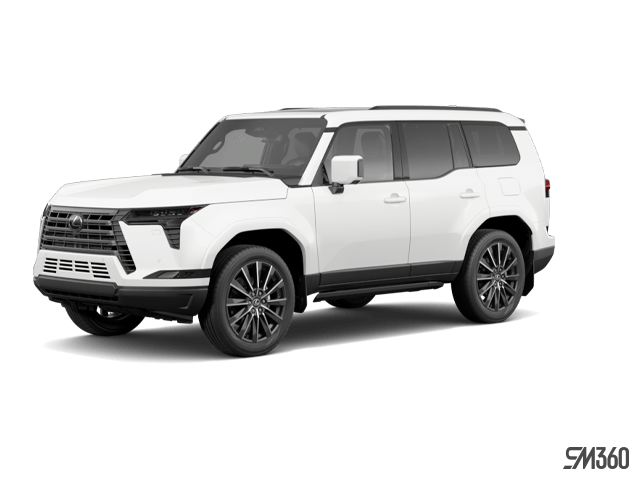
The Overtrail comes as a five-passenger, two-row model, which trades the third row for a larger, unobstructed cargo floor. The Executive grade goes the other direction, seating six across three rows with second-row captain’s chairs built for comfort rather than gear capacity. Deciding between them comes down to whether this trip is about people or about payload.
Choosing A Trail-Biased Or Comfort-Biased Grade
The Overtrail and Overtrail+ are built around terrain: the suspension hardware, skid plates, locking differential, and all-terrain tires are the point. The Overtrail+ layers on a head-up display, heated rear seats, a 21-speaker Mark Levinson audio system, and a digital key for all four doors, so it doesn’t give up comfort to get there.
Signature, Premium, Luxury, and Executive move the focus toward seating comfort, cabin materials, and passenger space, with the Luxury and Executive adding semi-aniline leather and captain’s chairs. Both directions still carry the same 349 hp powertrain and the same 9,063 lb (4,111 kg) tow rating, so the choice is about terrain equipment and seating layout, not raw capability.
Preparing Your 2026 GX For The Season Ahead
The 2026 GX pairs a 349 hp twin-turbo V6 and a 9,063 lb (4,111 kg) tow rating with terrain hardware that scales up on the Overtrail grades, giving Ontario drivers a vehicle built for both the highway to the cottage and the road once you get there.
Visit Erin Park Lexus in Mississauga to review the GX in person, confirm your towing equipment, and walk through which grade fits the trips you actually take this season.