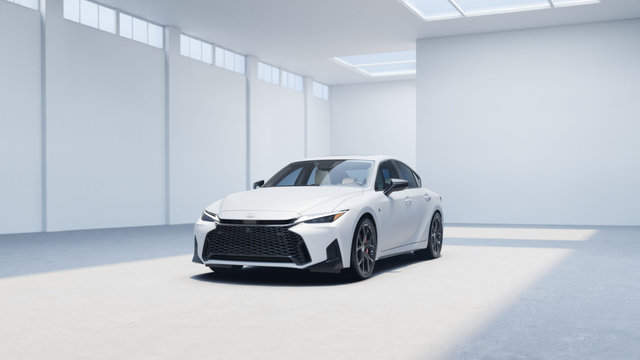
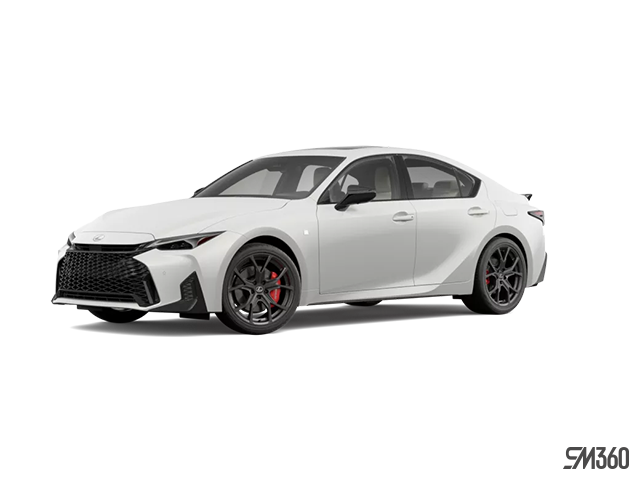
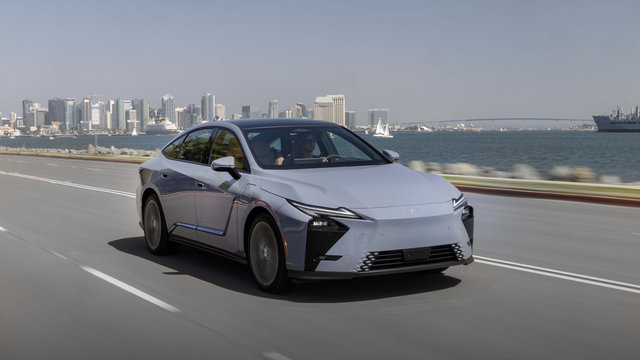
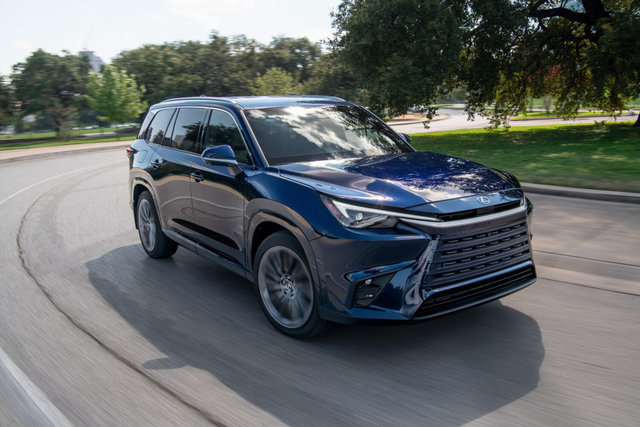
The 2026 Lexus ES and IS offer fundamentally different approaches to the sedan segment. The ES prioritizes long-distance comfort and electrified efficiency for highway commuters, while the IS delivers sharper handling and V6 power for drivers who value engagement over fuel savings.
Both carry Lexus build quality and safety systems, but they answer different questions about what a sedan should do.
For Ontario drivers, the choice hinges on whether your typical week involves more stop-and-go traffic or spirited back-road drives. The ES builds its case around electrified powertrains, all-wheel traction, and a cabin designed for quiet miles. The IS counters with naturally aspirated acceleration, sport-tuned suspension, and a lower entry price.
|
Feature
|
2026 Lexus ES
|
2026 Lexus IS
|
|
Engine Options
|
2.5L hybrid (350h), electric (350e/500e)
|
3.5L V6 (311 hp)
|
|
Power Output
|
221-338 hp
|
311 hp
|
|
Torque
|
280 lb-ft
|
280 lb-ft
|
|
Drivetrain
|
AWD (350h/500e), FWD (350e)
|
AWD
|
|
Electric Range
|
Up to 480 km (350e FWD)
|
-
|
|
Infotainment Screen
|
14-inch touchscreen
|
12.3-inch touchscreen
|
|
Safety System
|
Lexus Safety System+ 4.0
|
Lexus Safety System+ 3.0
|
Two Powertrains, Two Philosophies
The ES offers three electrified configurations: the 350h hybrid with AWD, the 350e battery electric vehicle with 221 hp and front-wheel drive, or the 500e with 338 hp and AWD. The IS commits to a 3.5L naturally aspirated V6 producing 311 hp and 280 lb-ft, paired with a six-speed automatic and AWD.
For buyers whose daily drive involves consistent highway mileage, the ES 350e's manufacturer-estimated range of up to 480 km covers most commutes without burning gasoline. The 500e AWD variant delivers 338 hp for drivers who want electric torque without sacrificing acceleration.
The IS's V6 pulls harder in the mid-range and responds more predictably under throttle, which matters for drivers who regularly merge onto 400-series highways or navigate hilly terrain.
If your typical week involves 60-80 km of city driving with occasional weekend trips, the ES 350e runs entirely on electricity most days. If you drive 200+ km daily with limited charging access, the IS's V6 eliminates range planning entirely.
AWD Systems and Winter Performance
The ES 350h and 500e both come standard with all-wheel drive. The 350h uses an integrated eAxle transaxle to distribute torque, while the 500e employs Lexus's DIRECT4 all-wheel drive system, which adjusts torque split electronically based on throttle input and road conditions.
The IS uses a mechanical AWD system tuned for rear-biased handling, prioritizing cornering balance over straight-line traction.
Ontario winters test both systems differently. The ES's AWD activates predictably in snow and ice, with electric motors delivering immediate torque to the rear wheels when the front loses grip.
The IS's system holds more power at the rear axle during dry conditions, which sharpens turn-in but requires more driver input when roads turn slick. For drivers navigating unplowed side streets or cottage-country gravel in February, the ES's approach reduces drama.
The ES 500e's DIRECT4 system continuously adjusts torque distribution to all four wheels - ideal for drivers who encounter mixed surfaces without needing to toggle drive modes manually.
Cabin Design: Comfort vs Engagement
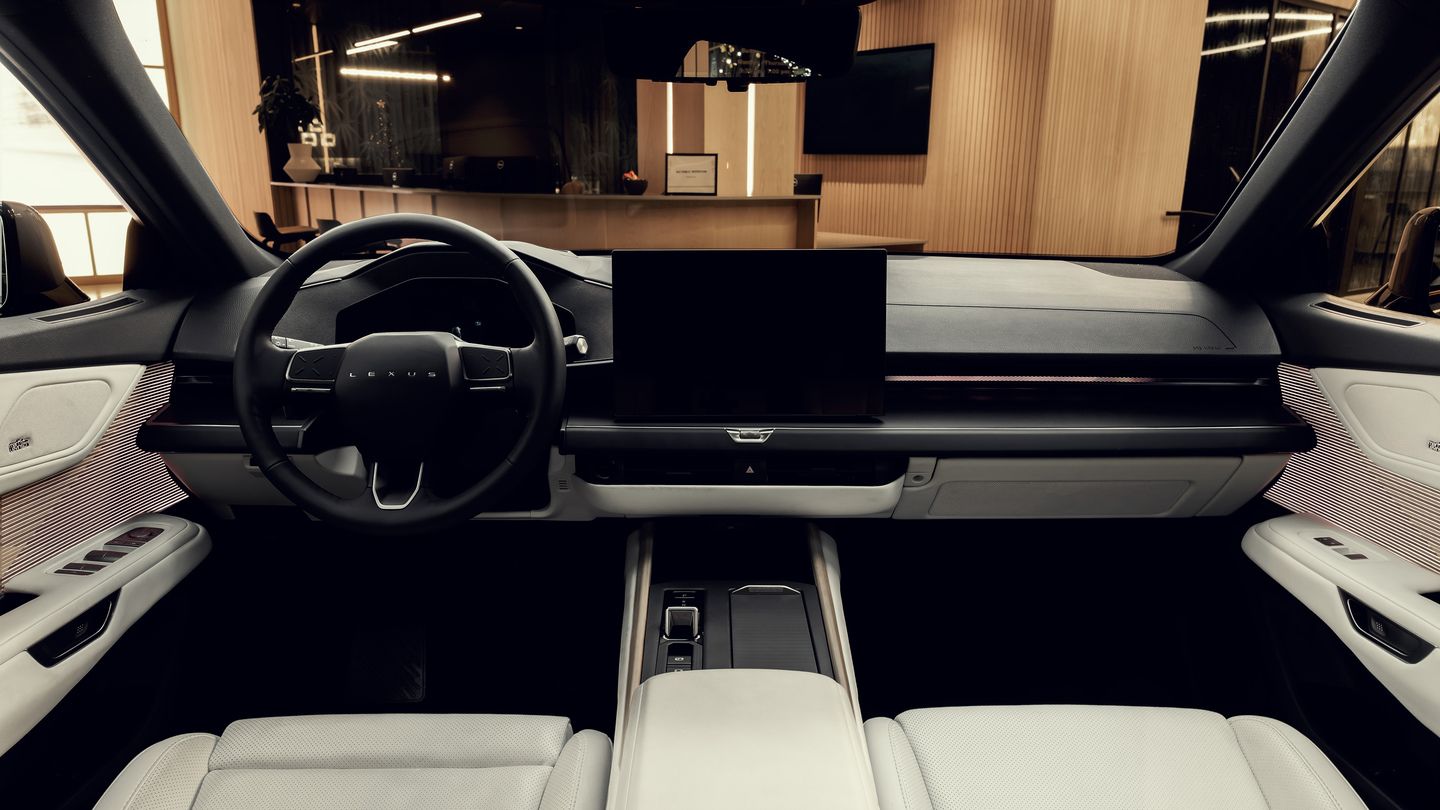
The ES builds its interior around long-distance comfort. The panoramic glass roof opens up headroom and light, while bamboo layering trim and synthetic leather embossing add visual warmth. The power trunk with kick sensor makes loading easier, and the 14-inch Lexus Interface touchscreen centralizes climate, navigation, and audio controls.
The IS counters with a driver-focused layout. The 12.3-inch touchscreen sits closer to your sightline, while F SPORT exterior design enhancements, 19-inch alloy wheels, and NuLuxe trimmed seats prioritize grip and bolstering over plushness.
Both sedans feature heated steering wheels and power moon roofs, but the IS omits the ES's panoramic glass roof and power trunk.
For buyers who spend 90 minutes daily in traffic or on highway stretches, the ES's cabin reduces fatigue. The multi-link rear suspension absorbs expansion joints quietly, and the MacPherson strut front setup isolates road noise better than the IS's sport-tuned dampers.
For drivers who view their sedan as a tool for spirited drives, the IS's firmer seats and tighter suspension geometry deliver more feedback.
The ES Executive VIP grade adds features the IS doesn't offer - reclining rear seats, upgraded materials, and additional sound insulation for clients or family members who expect limousine-level comfort.
Safety Systems: 4.0 vs 3.0
The ES equips Lexus Safety System+ 4.0 across all grades.
The IS uses Lexus Safety System+ 3.0, which covers core functions - pre-collision braking, lane departure alert, adaptive cruise control. The 2026 IS 350 AWD F SPORT 3 grade adds Traffic Jam Assist, Lane Change Assist, and Front Cross Traffic Alert. Both sedans include Blind Spot Monitor with Rear Cross Traffic Alert and 10 airbags.
Traffic Jam Assist matters for Ontario drivers who regularly sit in Don Valley Parkway gridlock or 401 slowdowns. The system manages stop-and-go acceleration and braking within marked lanes, reducing pedal work during rush hour.
Advanced Park on the ES steers the car into parallel or perpendicular spaces with minimal driver input - valuable for urban drivers who parallel park daily on tight downtown streets.
Technology and Audio
Both sedans offer the 17-speaker Mark Levinson Premium Audio system with comparable sound staging and clarity. The ES pairs it with a 14-inch touchscreen and 12.3-inch multi-information display, while the IS uses a 12.3-inch touchscreen and matching multi-information display.
The larger screen on the ES makes navigation maps easier to read at a glance and provides more space for split-screen functions. The IS's smaller screen integrates more tightly with the driver-focused cockpit, keeping your eyes closer to the road.
Both systems support wireless smartphone charging, Apple CarPlay, and Android Auto. The ES adds a digital key with card key functionality, eliminating the need for a traditional fob.
Which Lexus Sedan Is Right for You?
If your daily drive involves 60+ km of highway commuting, frequent stop-and-go traffic, or access to home charging, the ES 350e's manufacturer-estimated range of up to 480 km eliminates most fuel stops.
The ES 500e's 338 hp suits drivers who want electric performance, while the 350h hybrid balances efficiency and AWD capability for year-round Ontario driving. The ES's cabin prioritizes quiet comfort, advanced safety features, and technology integration - strengths that matter for high-mileage drivers or those who regularly carry passengers.
If you value naturally aspirated V6 power, sport-tuned handling, and a lower entry price, the IS delivers 311 hp and 280 lb-ft through a proven six-speed automatic.
The F SPORT grades add visual aggression and chassis refinement for drivers who prioritize engagement over efficiency. The IS works best for drivers who cover shorter distances, prefer traditional powertrains, or want a sedan that rewards spirited driving.
How many kilometres do you actually drive each week - and how many of those involve charging opportunities versus open highway?
Visit Erin Park Lexus in Mississauga to explore both sedans and determine which powertrain, cabin layout, and safety suite align with your daily reality. Both offer Lexus's focus on quality and refinement - they just answer different questions about what a sedan should prioritize.