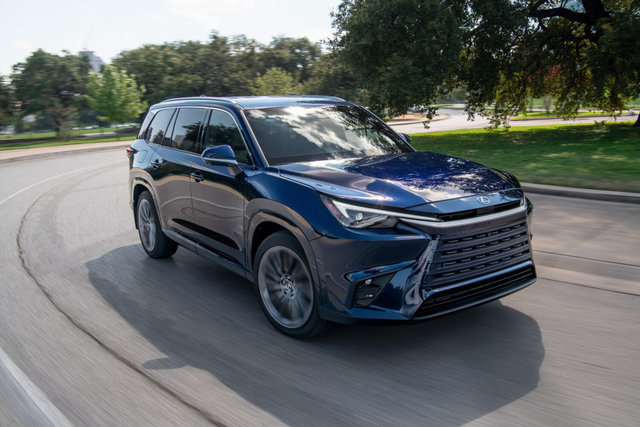
Lexus has spent decades refining hybrid technology - not as a stopgap before full electrification, but as a powertrain strategy that makes sense for how Canadians actually drive.
If you live in Mississauga and commute along the 401, or if you split time between city errands and highway trips to cottage country, the 2026 Lexus hybrid lineup delivers efficiency without the range anxiety or charging infrastructure dependence that comes with a full EV.
The RX, NX, and ES hybrids all use variations of Lexus Hybrid Drive - a system that pairs a gasoline engine with electric motors and a battery pack to reduce fuel consumption, smooth out power delivery, and add all-wheel drive capability where it matters most.
Here's how these hybrids fit the Canadian driving landscape in 2026.
What Makes Lexus Hybrid Drive Different
Lexus hybrids operate on a simple principle: the gasoline engine and electric motor work together to optimize efficiency and performance.
The system decides when to run on electric power alone (low-speed city driving), when to use the engine (highway cruising), and when to combine both (acceleration or passing). The battery recharges through regenerative braking - no plug required.
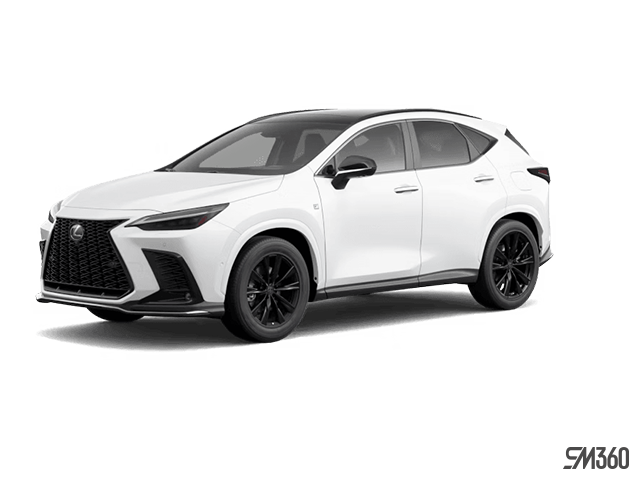
The RX 350h uses a 2.5L 4-cylinder engine paired with electric motors for a combined 246 hp. Fuel economy sits at 6.5 L/100 km combined - a meaningful improvement over the gas-only RX 350, which returns 9.9 L/100 km.
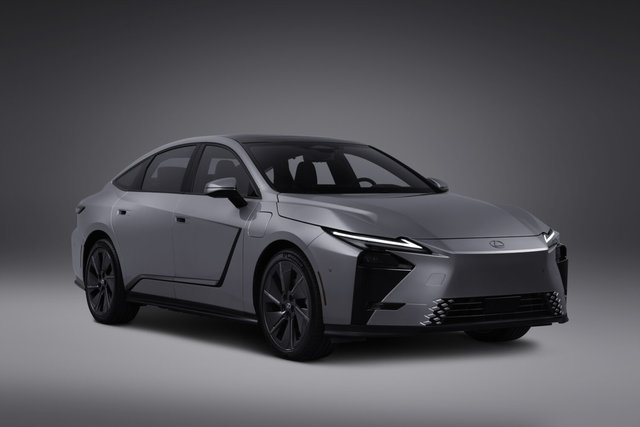
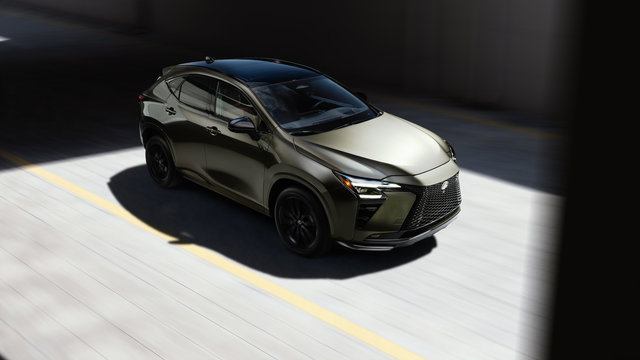
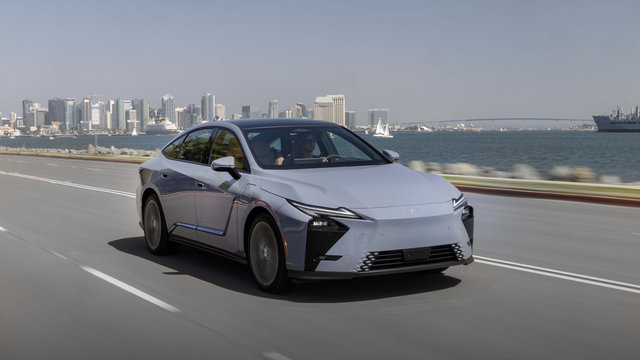
The NX 350h shares the same 2.5L hybrid system with 240 hp and achieves 6.0 L/100 km combined. The ES 350h, built on a redesigned platform for 2026, uses the same 2.5L hybrid setup and delivers similar efficiency in a sedan package.
All three models come standard with AWD in Canada. The system uses an electric motor to power the rear wheels, which means instant torque distribution without the mechanical complexity of a traditional driveshaft. This setup handles wet pavement, light snow, and gravel roads without drama.
Efficiency That Matches Real-World Driving
Hybrid fuel economy numbers look good on paper, but the real advantage shows up in mixed driving. If your daily routine includes stop-and-go traffic on the QEW, school drop-offs, and weekend highway trips, the hybrid system spends more time in electric mode than you might expect.
The RX 350h's 6.5 L/100 km combined rating reflects that balance - city driving at 6.3 L/100 km and highway at 6.8 L/100 km.
The NX 350h pushes efficiency further with 6.0 L/100 km combined (5.7 city, 6.4 highway). For a compact luxury SUV with AWD, that's a meaningful reduction in fuel costs over the course of a year.
The ES 350h sedan, with its lower ride height and aerodynamic profile, delivers similar numbers in a package designed for highway comfort.
None of these hybrids require charging infrastructure. You fill the tank with regular gasoline and drive. The battery recharges itself through braking and coasting.
If you want plug-in capability, Lexus offers the RX 450h+ and NX 450h+ with 18.1 kWh batteries and 60 km of electric-only range - but the standard hybrids eliminate that step entirely.
AWD Without the Fuel Penalty
Traditional AWD systems add weight and mechanical friction, which cuts into fuel economy. Lexus hybrids use an electric motor to drive the rear wheels, which means AWD capability without the constant drag of a mechanical system. The rear motor only activates when needed - accelerating from a stop, navigating slippery surfaces, or cornering hard.
This setup works well in Ontario's variable weather. Spring rain, late-season snow, and gravel cottage roads all benefit from the instant torque distribution. The system doesn't require driver input - it adjusts automatically based on wheel slip and throttle position.
The RX 350h and NX 350h both use this electric AWD system. The ES 350h, as a sedan, also comes standard with AWD in Canada - a configuration not available in all markets. For buyers who want the efficiency of a hybrid without sacrificing all-weather capability, this combination makes sense.
Cargo, Towing, and Practicality
Hybrid batteries take up space, but Lexus engineers positioned them under the floor to preserve cargo volume. The RX 350h offers 838 litres behind the second row and 1,308 litres with the seats folded - identical to the gas-only RX 350.
The NX 350h provides 643 litres behind the second row and 1,328 litres total. The ES 350h, as a sedan, prioritizes trunk space and rear legroom over maximum cargo capacity.
Towing capacity varies by model. The RX 350h can tow up to 3,500 lbs (3,494 lbs (1,585 kg)) when properly equipped with the towing package - enough for a small boat or utility trailer.
The NX 350h is rated for 2,000 lbs (907 kg), which handles lighter recreational loads.
Technology and Safety Across the Lineup
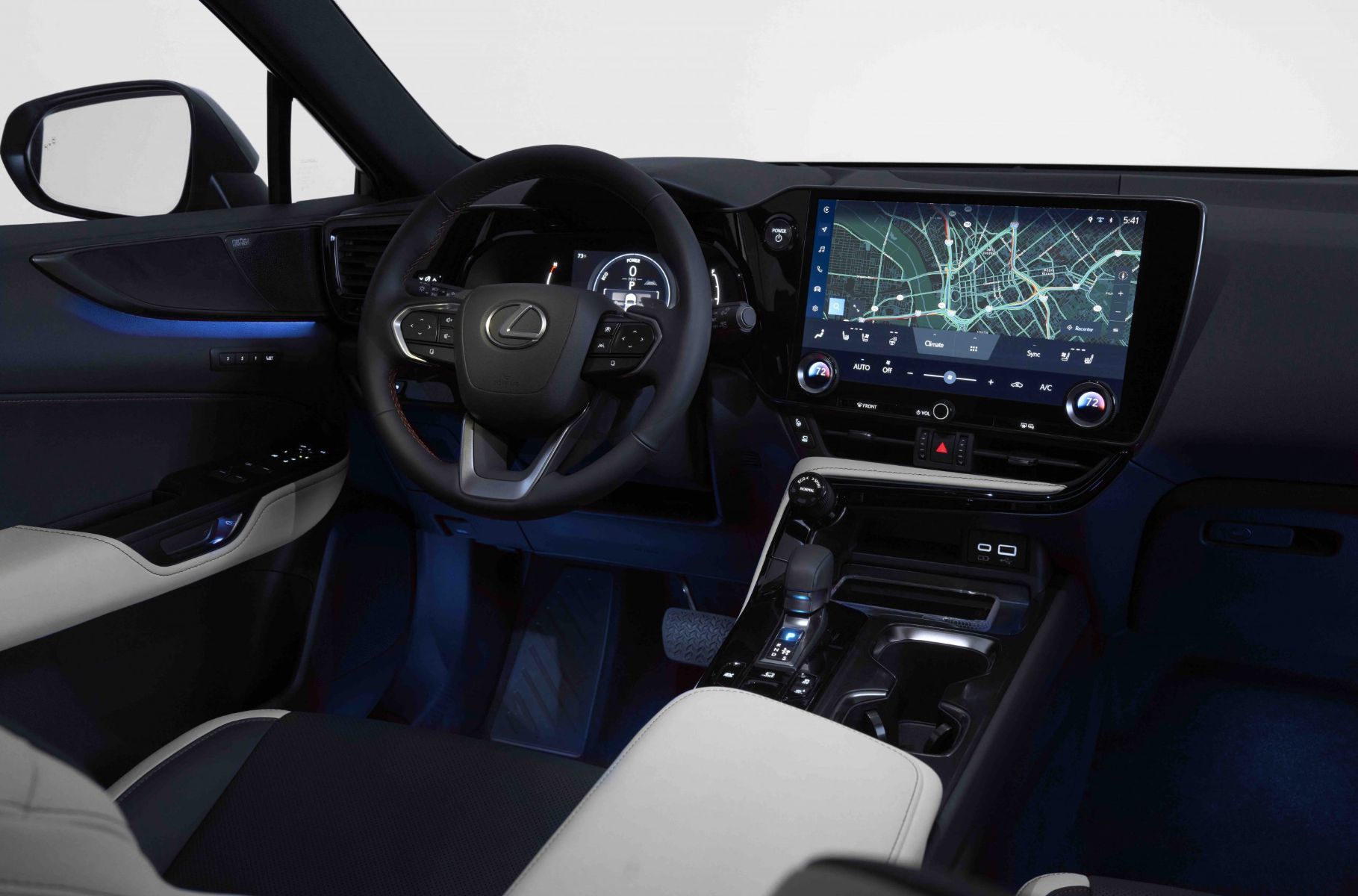
All three hybrids come standard with Lexus Interface - a 14-inch touchscreen system with wireless Apple CarPlay and Android Auto. The RX and NX also include a 12.3-inch digital instrument cluster. The ES, redesigned for 2026, debuts the newest version of Lexus Interface with improved voice recognition and split-screen capability.
Lexus Safety Sense+ covers the full suite of collision warning and automatic braking systems - all standard, even on base trims.
Advanced features like Traffic Jam Assist, Lane Change Assist, and Panoramic View Monitor are available on higher trims across all three models. The RX and NX also offer Advanced Park, which handles parallel and perpendicular parking with minimal driver input.
How the Three Models Compare
|
Model
|
Power
|
Fuel Economy (Combined)
|
Cargo Volume
|
Towing Capacity
|
|
RX 350h
|
246 hp
|
6.5 L/100 km
|
838 L (seats up)
|
3,500 lbs (1,585 kg)
|
|
NX 350h
|
240 hp
|
6.0 L/100 km
|
643 L (seats up)
|
2,000 lbs (907 kg)
|
|
ES 350h
|
246 hp
|
6.5 L/100 km
|
Sedan trunk
|
N/A
|
The RX 350h fits families who need three rows of seating (available on select trims), maximum cargo space, and towing capability. The NX 350h works for buyers who want a smaller footprint without sacrificing AWD or efficiency. The ES 350h targets drivers who prioritize highway comfort, rear-seat space, and sedan handling over cargo flexibility.
Why Hybrids Still Make Sense in 2026
Full EVs have improved, but they still require planning around charging infrastructure, especially on longer trips outside urban centres. Plug-in hybrids add electric-only range but require access to a charger for maximum benefit. Standard hybrids eliminate both constraints - you drive, you refuel, you keep moving.
For buyers in the Greater Toronto Area, this matters. If you commute to downtown Toronto, run errands in Mississauga, and take weekend trips to Muskoka or Niagara, a hybrid handles all three scenarios without requiring a charging strategy. The fuel savings add up over time, and the AWD system handles Ontario's weather without drama.
Lexus hybrids also hold their value. The brand's reputation for reliability, combined with proven hybrid technology, makes these vehicles attractive on the used market. If you plan to keep the vehicle for five to seven years, the lower fuel costs and strong resale value offset the higher initial price compared to a gas-only model.
The Lexus Hybrid Lineup Fits Canadian Driving
The RX 350h, NX 350h, and ES 350h all deliver efficiency, AWD capability, and Lexus refinement without requiring a charging plan. If you want the benefits of electrification without the infrastructure dependence of a full EV, these hybrids make sense for how Canadians actually drive in 2026.
Explore the complete Lexus hybrid lineup at Erin Park Lexus in Mississauga to see how these models fit your driving routine.